


How to Build a Referral Marketing Strategy That Turns Customers Into Your Sales Team

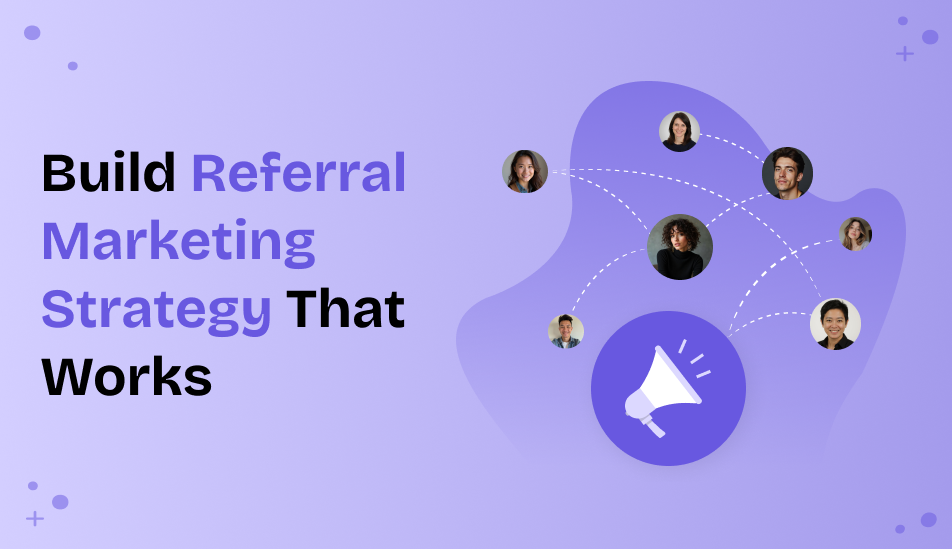
One customer recommendation can beat months of paid marketing.
I’ve seen businesses spend thousands trying to improve conversions while a single blog mention or community recommendation keeps bringing in qualified customers every week.
The reason is simple: Trust changes buying behavior.
People feel more confident trying products that someone else already uses and recommends. That confidence shortens the decision making process and mostly leads to stronger long term customers too.
Referral marketing taps directly into that behavior.
The businesses seeing the best results mostly create systems that encourage sharing at the right moments, reward customers fairly and make referrals easy enough that people actually participate.
But….People don’t share products because a brand asks them to. They share products because recommending something useful makes them feel smart, helpful or connected.
That’s why referral marketing works differently from traditional advertising. It’s built on trust first. And yet, most referral programs still fail.
So what separates referral programs that quietly disappear from the ones that keep generating customers year after year? Let’s find out.
TL;DR: For creating a successful referral marketing strategy, you first have to create a product experience people genuinely want to talk about, then make sharing simple, rewarding and visible throughout the customer journey.
Why Referral Marketing Works Better Than Most Businesses Expect

One mistake I see businesses make all the time is assuming referrals only happen after launching a formal referral program.
Well, honestly, it starts long before that.
Your customers are already talking about you. Whenever there’s a new product in the market or a new brand, curious customers buys first and enjoy talking about them:
- Inside WhatsApp groups.
- During Zoom calls.
- In Slack communities.
- Under YouTube videos and comment sections.
- In Reddit threads.
- During casual conversations with friends or clients.
The real difference is that successful businesses notice those conversations way ahead and build systems around them.
That’s one reason referral marketing mostly performs differently from paid advertising. A referral already carries context and trust before the customer even lands on your website. Someone else has already tested the product, used it and decided it’s worth mentioning.
I’ve also noticed referred customers tend to arrive with less hesitation. They spend less time comparing alternatives because the recommendation already removed that part of the uncertainty from their minds.
That trust changes the complete buying experience.
A good referral marketing strategy helps businesses encourage more of those moments while making them easier to track, reward and repeat over time.
The Best Referral Partners Usually Aren’t Influencers
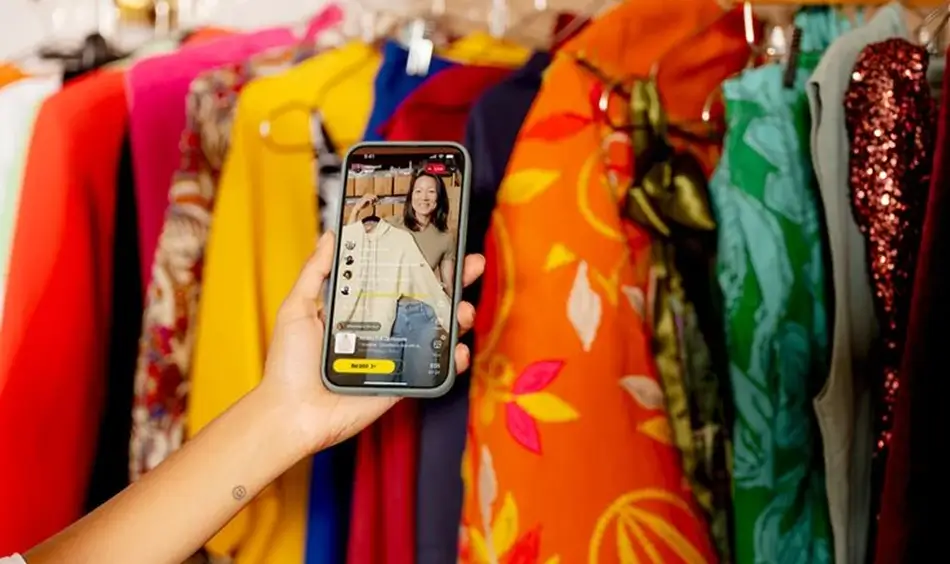
A lot of businesses immediately think about influencers when creating referral programs. But that’s exactly the difference between referral marketing and affiliate marketing.
Honestly, some of the best referral partners I’ve seen had relatively small audiences.
They were:
- Niche creators.
- Educators.
- Consultants.
- Power users.
- Loyal customers.
- Community leaders.
The reason is simple: smaller audiences come with stronger trust.
Someone with 2,000 highly engaged subscribers who genuinely uses your product can drive better conversions than a massive creator doing a quick sponsored mention.
Afterall, let’s be honest: Most of us intentionally skip the sponsorship part whenever watching YouTube videos of big YouTubers. Why? Because we know they are promoting those products for money only.
Meanwhile, the recommendations from small YouTuber, tutorial bloggers, agencies, online communities and customer-led discussions (Like Reddit) feels more personal and believable.
The difference is experience in both scenarios.
Thus, a real referral marketing strategy revolves around people who already influence buying decisions inside your niche, even if their audience looks small on paper.
Why Some Referral Programs Quietly Print Revenue While Others Die in 3 Months

If you’re also thinking most referral programs don’t fail because customers dislike the product, then you’re completely wrong.
Most referral programs fail because the referral experience never becomes part of the customer journey.
I’ve seen businesses launch referral programs with solid rewards and still struggle to get people participating. Meanwhile, other brands quietly keep generating referrals month after month from customers who genuinely enjoy sharing what they use.
The difference usually comes down to a few things:
- Timing.
- Visibility.
- Customer experience.
- And how natural the sharing process feels.
One statistic explains this perfectly.
Research from Texas Tech found that 83% of satisfied customers are willing to recommend a brand after a positive experience. Yet only 29% actually do it.
That’s the big gap between intention and action. And the reason is because customers simply:
- Forget the program exists.
- Never see the referral option again.
- Or don’t feel motivated enough in the moment to share it.
And honestly, that makes sense as people rarely wake up thinking:
“I should go find that referral link from a brand I bought from two months ago.”
Referral marketing works best when businesses create systems that keep referrals visible, timely and easy to act on. That’s also why some referral programs quietly keep growing while others lose momentum after launch week.
The good news is that most of these problems are fixable once you understand how successful referral marketing systems are actually built.
So here are the provenly tested referral marketing strategies I’ve personally used for creating my referral program.
How To Build a Referral Marketing Strategy That Actually Works
Step 1: Start With Customers Who Already Love What You Sell

One of the biggest mistakes businesses make with referral marketing is chasing strangers before paying attention to the customers already enjoying the product.
Your best referral opportunities mostly come from people who:
- Already trust your brand.
- Understand the product.
- Have seen results.
- And naturally talk about tools or services they like.
These customers don’t need aggressive convincing because the positive experience already exists.
I’ve also noticed that the strongest referral partners are rarely the loudest people online. Many high converting referrals come from:
- Loyal repeat customers
- Consultants
- Educators
- Niche creators
- Community members
- Small business owners
- Power users who genuinely rely on the product
Their audience may look smaller on paper, but the trust level is usually much higher.
This is especially true in WordPress and WooCommerce communities. Even one recommendation from someone who actively uses a software in real projects can influence buying decisions far more than a generic sponsored mention.
Another important thing is timing here.
Customers become more willing to refer to your business after they experience a clear win. That emotional confidence matters as people naturally hesitate to recommend products they haven’t fully experienced themselves.
A good referral marketing strategy starts by identifying customers who already believe in what you sell and making it easier for them to share that experience with others.
Step 2: Give People a Reason to Talk About You

People naturally talk about products that create a new (and good) experience.
Sometimes that comes from impressive results. Sometimes it comes from convenience, support, exclusivity or simply discovering something genuinely useful before everyone else.
That’s why referral marketing works best when the product itself gives customers something worth sharing.
Rewards definitely help, but they usually amplify excitement that already exists. A bad customer experience rarely becomes successful just because a business adds referral commissions on top of it.
I’ve seen referral programs perform surprisingly well with relatively simple incentives because customers already felt confident recommending the product. On the other hand, I’ve also seen generous rewards fail because the overall experience didn’t leave much impression.
The successful referral strategies usually combine:
- A positive customer experience.
- Clear value.
- And rewards that feel fair and easy to understand.
The reward itself doesn’t always need to be complicated either. Depending on the business model, referrals can work well with:
- Fixed or percentage-based Commissions
- Recurring commissions
- Account credits
- Discounts
- Free upgrades
- Exclusive perks
- Early access offers
Double sided rewards also tend to perform well because both people benefit from the referral.
For example the customer receives a reward and the friend gets a discount or bonus. That’s what makes the recommendation feel more helpful and less transactional.
One thing I’ve learned over time is that customers rarely share products because a brand asks them to. They share products because recommending them feels useful, valuable or relevant to someone else.
Your referral strategy should support that behavior, never force it.
Step 3: Build Referral Moments Into the Customer Journey

Timing has way more impact on referral marketing than you know.
Many businesses ask for referrals far too early. Sometimes before customers have even experienced the real value of the product. And that is exactly what creates weak participation.
People hesitate to recommend something they haven’t fully trusted yet. So, it’s best to give them time to build the momentum.
The best referral moments tend to happen right after customers experience a positive outcome.
For example:
- Completing a successful project.
- Hitting a milestone.
- Saving time.
- Increasing revenue.
- Receiving great support.
- Finishing onboarding smoothly.
- Or solving a frustrating problem.
Those moments create emotional momentum.
Customers feel confident, satisfied and much more open to sharing what helped them get results.
I’ve seen businesses dramatically improve referral activity simply by adjusting when they ask. A referral request placed right after a customer success moment mostly beats far better than a generic “Invite Friends” button sitting silently inside an account page.
This is also where customer journey thinking becomes important.
Referral opportunities can naturally appear across different touchpoints:
- Onboarding emails.
- Thank-you pages.
- Milestone achievements.
- Post-purchase follow-ups.
- Customer dashboards.
- Support interactions.
- Creator communities.
- Newsletters.
The goal is to make referrals feel like a natural continuation of a positive customer experience. Thus when the timing feels right, customers need much less convincing to start sharing your brand with others.
Step 4: Make Referrals Ridiculously Easy to Share

When referrals are easy to share, customers feel easy to promote.
Remove every possible barrier you can feel, whether it be technical, social or rational. Because even highly satisfied customers won’t always share your product if the referral process feels confusing or time consuming.
Simplicity is the key.
The best referral programs remove as much friction as possible by offering:
- Quick signup
- Instant referral links
- One-click sharing
- Clear rewards
- Simple dashboards
- Mobile friendly experiences
The less thinking needed, the better participation becomes.
I’ve seen businesses lose referral momentum because customers had to search for referral links, wait for approval emails, read complicated instructions or manually explain rewards to friends.
Most people won’t go through extra effort unless the process feels extremely worthwhile.
This is also why ready made sharing brand assets help so much. Pre-written email copy, social captions, banners or referral messages make it easier for customers to share your brand confidently without starting from scratch.
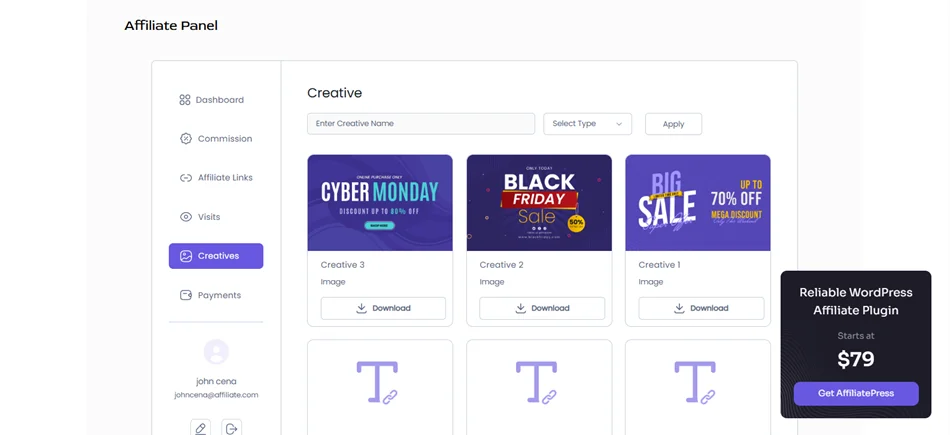
The best thing tools like AffiliatePress makes it much easier to share endless brand assets like images, text links, banners, coupon codes and even unique QR code.
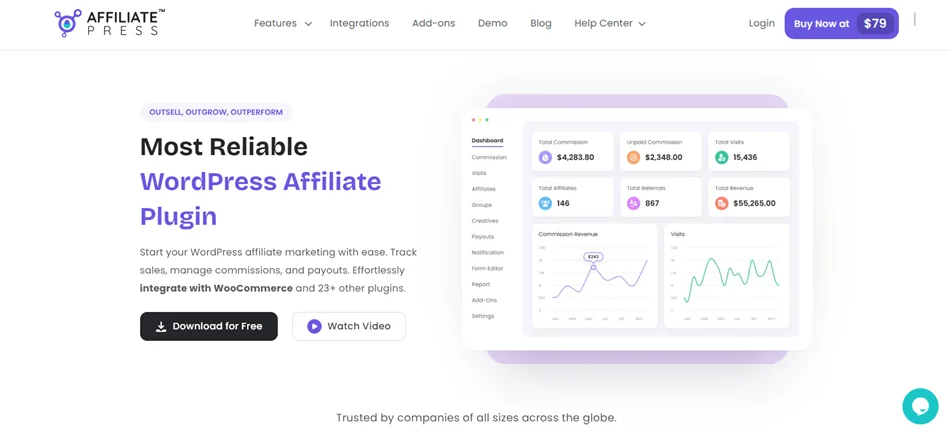
AffiliatePress is the most reliable WordPress affiliate plugin we’ve come across. We can vouch for it because more than thousands of businesses already used it, and successfully created referral and affiliate marketing programs.
A good referral strategy should feel almost effortless from the customer’s perspective:
- Copy the link
- Send it
- Earn rewards
AffiliatePress does exactly the same. Using this, you can give your referrers (or affiliates) a dedicated dashboard where they can track their earning, and access all links & creatives in one place.
Further, you can create a fully customizable affiliate signup form using its in-built form builder for smoothly onboarding customers.
The easier the process feels, the more likely customers will ACTUALLY follow through.
Step 5: Put Your Referral Program Where Customers Actually See It

Out of sight, out of mind. The same goes for referral programs.
A staggering 60% of non-participants in referral programs say they’ve never even received a referral link or code from someone they know, because the referral programs are simply buried, poorly promoted or hard to find.
The result? Even interested customers completely forget the referral marketing program even exists. And that’s a big deal because referral marketing depends heavily on visibility and timing.
Research consistently shows that customers are willing to recommend brands they enjoy using, but most never take action unless they’re reminded at the right moment.
The businesses generating steady referral sales keeps their referral program visible throughout the customer journey.
For example:
- After successful purchases.
- Inside onboarding emails.
- On thank-you pages.
- During milestone celebrations.
- inside newsletters.
- Within customer dashboards.
- Or after positive support interactions.
These reminders work because they appear while customers are already engaged with the brand.
I’ve also noticed that referral participation grows much faster when the affiliate program feels integrated into the customer experience
Thus never make your referral program sit separately in the background.
Visibility creates consistency, and consistency is what helps referral programs keep generating sales in the long run.
Step 6: Pay Attention to What’s Actually Working
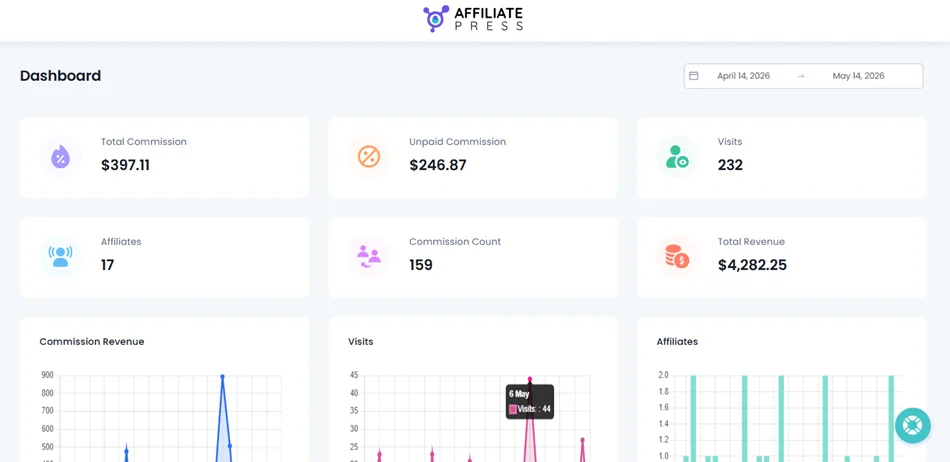
One of the biggest advantages of referral marketing is that you can quickly spot which relationships and channels drive the highest quality customers using WordPress affiliate marketing tools like AffiliatePress.
Some referral partners may bring large amounts of traffic with very few conversions. Others may send fewer visitors but generate extremely valuable long term customers.
That’s why tracking matters.
A good referral marketing strategy pays attention to:
- Referral sources.
- Conversion rates.
- Top performing partners.
- Customer lifetime value.
- Repeat purchases.
- And referral trends over time.
I’ve seen businesses completely change their growth strategy after realizing that smaller niche creators or loyal customers were outperforming larger promotional campaigns.
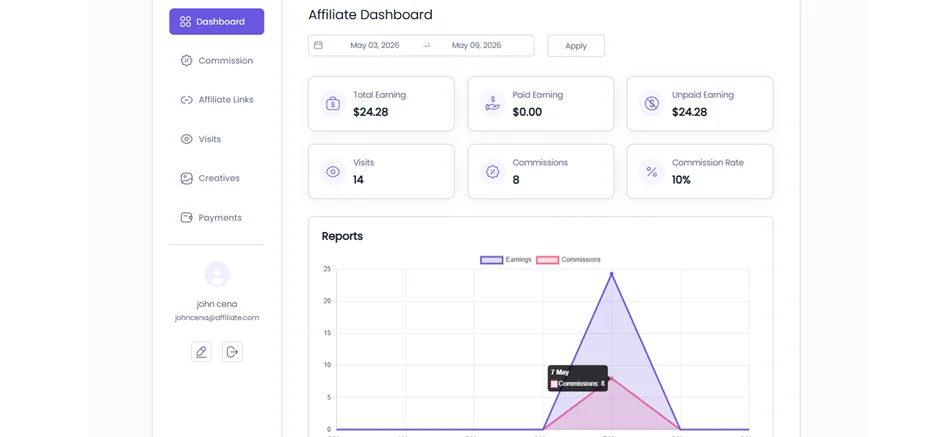
Real time tracking also helps keep referral partners engaged. People are far more likely to continue sharing when they can clearly see clicks, conversions and rewards building up, right inside their AffiliatePress affiliate dashboard.
However, this is also the stage where businesses should watch for suspicious activity or referral fraud, especially as your referral programs grow larger. Yet, if you’re using WordPress affiliate plugins like AffiliatePress, you never have to worry about affiliate fraud.
AffiliatePress comes with the smartest fraud detection we have ever seen (and tested). It detected all fake self-referrals, suspicious patterns and fraud clicks, automatically.
Because in the end, the goal isn’t just to generate more referrals, but to understand which referral affiliate relationships consistently bring the best customers into your business.
Step 7: Turn Your Referral Program Into a Long-Term Growth Channel

All successful referral marketing programs rarely feel like short term campaigns. Over time, they become part of how the business grows.
This mostly happens when businesses move beyond one time referrals and start building better affiliate relationships with the people consistently recommending their brand.
I’ve seen referral programs gain serious momentum when businesses:
- Reward loyal advocates.
- Communicate regularly with referral partners.
- Create exclusive perks.
- Offer VIP tiers.
- Share early product access.
- Or involve top referrers in launches and promotions.
These small relationship-building efforts lead to long term engagement which is far more consistent than raising commissions.
Referral marketing also compounds gradually.
A creator tutorial published today may continue driving customers for years. A loyal customer recommending your product inside communities can repeatedly influence new buying decisions over time.
That’s what makes referral marketing so valuable compared to many short term acquisition channels.
After enough people start talking about your brand, referrals start creating their own momentum.
The businesses seeing the best long term results mostly treat referral marketing as an ongoing growth system, not just a temporary marketing tactic.
Referral Strategy Examples Worth Studying
Some of the best referral marketing ideas become successful because they fit naturally into the customer experience.
Here are a few referral strategy examples that still get discussed years later because of how effectively they encouraged customer driven growth.
Dropbox Made Sharing Part of the Product
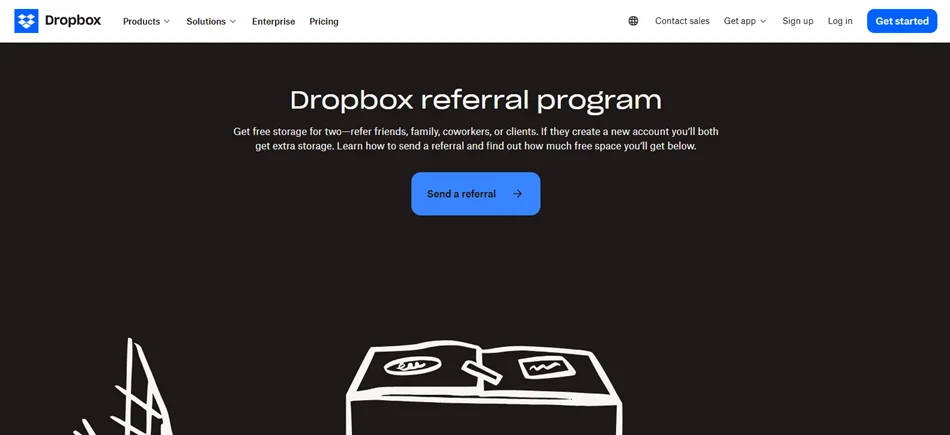
Dropbox became one of the most well known referral marketing examples by connecting referrals right into product value.
They didn’t offer cash rewards, but gave their users additional storage space for inviting friends. Both people benefited.
- The existing user received more storage.
- The new user started with extra storage too.
That reward felt useful right away because it improved the actual product experience.
The referral marketing program also appeared naturally inside the platform, making sharing feel like part of using Dropbox rather than a separate marketing campaign.
One important takeaway here is that referral rewards don’t always need to be financial. Sometimes product based incentives create better participation because they directly match what customers already want.
Tesla Turned Customers Into Brand Evangelists
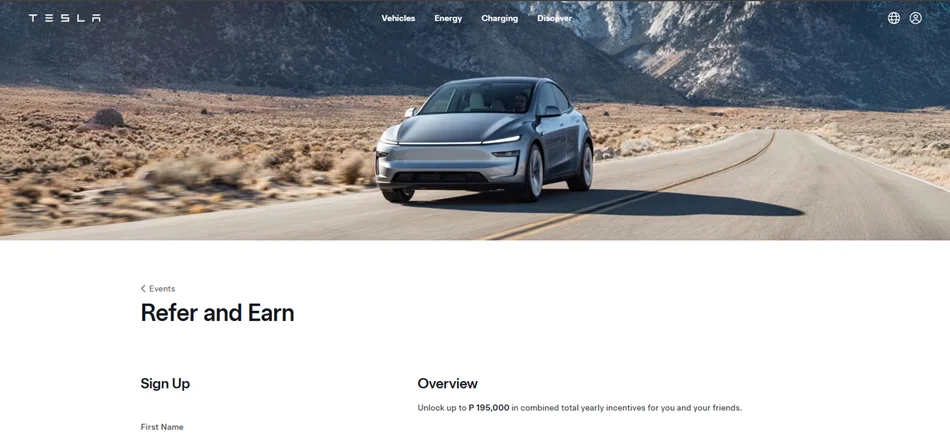
Tesla built one of the successful modern referral programs by turning customers into enthusiastic brand advocates – like literally.
Their ad spend is literally $0 till now. The company consistently rewarded referrals with:
- Exclusive perks.
- Early access opportunities.
- Limited-edition rewards.
- Event invitations.
- And status driven incentives.
What made Tesla’s referral strategy powerful was the emotional side of the brand. Customers felt personally connected to Tesla’s mission, products and community.
That emotional investment encouraged people to actively talk about the company online, recommend vehicles to friends and share their experiences publicly.
Tesla also proved something important about referral marketing:
people are far more likely to promote brands they genuinely feel excited about.
In conclusion, the smart referral marketing strategies combine rewards with customer enthusiasm and identity.
PayPal Used Cash Bonuses to Accelerate Early Growth
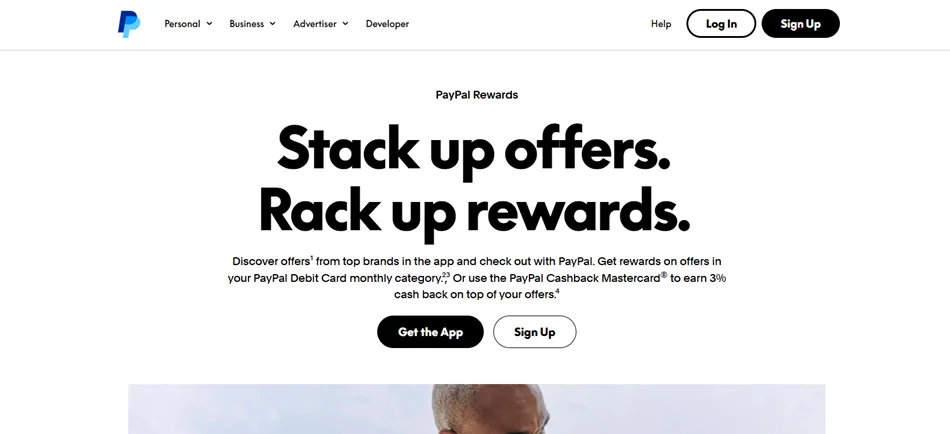
PayPal became one of the earliest companies that grew like crazy through referral marketing.
In its early growth phase, the company offered direct cash bonuses to both existing users and new signups. Customers received money for inviting friends, while new users also earned a reward for joining the platform.
The win-win situation for both parties.
That simple strategy helped PayPal grow extremely quickly because the incentive felt immediate, clear and easy to understand.
More importantly, the referral process itself needed very little effort:
- Invite someone
- They sign up
- Both people receive rewards
The simplicity played a huge role in adoption.
PayPal’s referral strategy also highlights an important lesson for modern businesses: Referral programs perform much better when customers understand the value exchange without complex explanations.
Final Thoughts
In a nutshell, referral marketing works because it builds on something people already trust: recommendations from real customers.
A single customer referral may seem small at the moment, but over time those recommendations start compounding:
- More conversations.
- More creator mentions.
- More community discussions.
- More trust around your brand.
That momentum is difficult to replicate through traditional advertising alone. That’s why the businesses seeing the best results focus on making referrals feel natural. They create great customer experiences, ask for referrals at the right moments and make sharing simple enough that people actually participate.
And if you’re using a WordPress site, building a successful referral marketing program is only a matter of time with AffiliatePress.
It is one of the best WordPress affiliate plugins that gets your referral marketing program launched and running in just a few minutes.
The best part? It integrates with WooCommerce and 25+ other WordPress plugins smoothly, lets you create multiple smart commission structures and automate payouts via PayPal or Stripe.
The easier your referral system is to manage, the easier it becomes to turn happy customers into long term growth for your business.
You May Also Like: