


What Is a Pay Per Lead Affiliate Program and How Do You Start One?

Affiliate marketing is the best marketing strategy to drive serious growth, but only if it’s aligned with how your customers actually buy.
Not every visitor is ready to buy instantly. Some visitors need time to think, research or a conversation before they commit. Yet many affiliate programs are built only around clicks or final sales, leaving a big gap in between.
A pay per lead affiliate program fills that gap. It captures the customer intent early to turn traffic into real opportunities. Read on to learn more about Pay per lead affiliate programs.
TL;DR. A pay per lead affiliate program helps generate high-quality leads instead of direct sales. With tools like AffiliatePress, you can easily create and manage programs while integrating with form builders like WPForms, ARForms, Gravity Forms, and Ninja Forms.
What is a Pay Per Lead Affiliate Program?

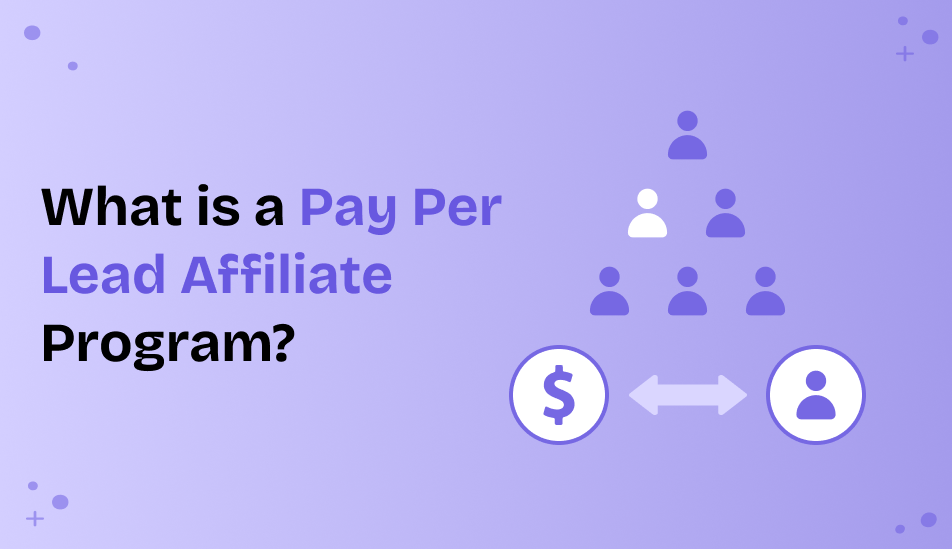
A pay per lead (PPL) affiliate program is a performance-based marketing model where affiliates earn commission for driving leads to your business.
What sets this affiliate marketing model part is you pay affiliates (partners) for each successful lead, not for direct sale or conversion.
A “lead” simply means someone who shows interest in your business. The definition of a successful lead varies by business. This could be:
- Filling out a contact form.
- Signing up for a free trial.
- Booking a demo or consultation.
- Downloading a resource.
- Registering for a webinar.
This is not completely useless as most businesses think because you only pay when a visitor takes a meaningful action. Instead it’s much better than paying for advertisement and traffic that may never convert.
That’s what makes pay per lead affiliate marketing different.
Affiliates focus on bringing in people who are genuinely interested. Your business then takes over, nurturing those leads, building trust and turning them into customers.
Pay Per Lead vs Pay Per Click vs Pay Per Sale

There are many ways to run affiliate marketing, but not all of them match how people actually buy. Some visitors are just exploring. Some are comparing. Only a few are ready to buy immediately.
That’s why these three models exist, and why choosing the right one matters. With pay per click (PPC), you’re paying for traffic.
Affiliates send visitors to your website, and you pay for every click. What happens after that is your responsibility. You need to convert that traffic into leads and then into customers.
Sounds like making a gamble, right? Because PPD can surely bring your site volume, but there’s no guarantee of customer intent. You might get clicks, but not real prospects.
At the other end is pay per sale (PPS), also known as pay per action. When most people talk about affiliate marketing, this is what comes to mind as it’s the most common yet popular one.
Here, affiliates only earn when they generate a sale. That means they focus on sending high-intent users who are ready to buy. This lowers your risk, but increases your cost.
Because sales are harder to generate, affiliates expect higher commissions. So while conversions are guaranteed , your cost per acquisition goes up. That’s where pay per lead (PPL) fits in.
It’s the middle ground. You don’t pay for random traffic, and you don’t overpay for final conversions. You pay when someone shows real interest such as signing up, booking a demo or filling out a form.
It keeps your funnel active with people who are actually worth following up with.
To better understand PPL affiliate marketing, let’s compare it with others:
| Factor | Pay Per Click (PPC) | Pay Per Lead (PPL) | Pay Per Sale (PPS) |
| What You Pay For | Clicks (traffic) | Qualified leads (actions) | Final sales (conversions) |
| Affiliate Goal | Drive as many visitors as possible. | Send interested prospects. | Drive paying customers. |
| Your Responsibility | Convert traffic into leads and sales. | Nurture and convert leads into customers. | Fulfill and retain customers. |
| Risk Level | High (low intent traffic). | Medium (depends on lead quality). | Low (you pay only for results). |
| Cost Level | Low per click, high waste risk. | Moderate and controlled. | High per conversion. |
| Best For | Brand awareness, top-of-funnel traffic. | Lead generation, service-based businesses. | E-commerce, simple purchase journeys. |
Key Takeaways: If your business is looking for a middle-ground affiliate marketing solution, PPL affiliate programs work the best.
Why Businesses Are Switching to Pay Per Lead Programs

More traffic doesn’t always mean more revenue. Businesses are realizing that clicks alone don’t build a pipeline. And paying only for final sales can be expensive. That’s why many are shifting toward pay per lead programs.
It gives them something in between: control over quality without overpaying for outcomes.
Here’s why this Pay per lead affiliate programs are gaining traction:
1. You pay for intent, not just traffic
Clicks don’t tell you much. Someone can land on your site and leave in seconds. With pay per lead, you only pay when a visitor takes action such as:
- Signing up.
- Filling an online form.
- Requesting more information.
And more, depending on your business terms. That means you’re investing in people who are actually interested.
2. It keeps your sales pipeline consistently full
Some channels bring spikes of traffic, others bring occasional sales. Pay per lead affiliate programs help you make a steady flow of leads your team can work with every day.
This makes forecasting and growing so much easier.
3. It works better for longer sales cycles
Not every product goes like hot cakes. If your business depends on demos, consultations or follow ups, then pushing for immediate sales through affiliates doesn’t always work.
Pay per lead brings people into your funnel early, giving you time to educate, nurture and convert them properly.
4. You stay in control of the sales process
Affiliates do most of the selling in other affiliate models. And that’s not always a good idea, especially if your product is complex or needs explanation.
With pay per lead affiliate marketing, affiliates handle the interest generation, while you control how leads are handled, followed up and closed.
5. Better alignment between marketing and sales
Pay per lead creates a clear hand off. Marketing (affiliates) brings in interested future customers only. Sales takes over to convert them.
This alignment improves your business efficiency and makes sure both sides focus on what they do best.
When a Pay-Per-Lead Affiliate Program Makes Sense

Pay per lead affiliate program is not for every business. It only works the best when your goal is to create a pipeline of qualified leads you can convert over time.
Here’s when this model makes the most sense:
Your sales cycle takes time (not an instant purchase)
Some products don’t sell in one visit. Customers compare options, do research, and take time before making a decision. This is common in B2B, high ticket services and anything that needs to build customer trust first.
In these cases, expecting affiliates to drive instant sales is simply not realistic.
Pay per lead solves this by bringing people into your funnel early. Once they’re in, you can nurture them your way through emails, calls or demos until they’re ready to buy.
Your offer needs an explanation before people decide
If your product or service isn’t simple, people won’t buy it right away. They may need:
- A demo.
- A consultation.
- More information about features or pricing.
Relying on affiliates to explain everything and close the sale can lead to misleading messaging or damage the brand’s reputation too.
With pay per lead affiliate marketing, affiliates only focus on generating interest. You take over the conversation and guide potential clients or customers through the decision process in a way that fits your brand.
You have a system to follow up and close leads
Leads only have value if you can convert them. If you don’t have a clear follow up process like emails, CRM, sales calls, or automation, then even high quality leads can go to vein.
This model works best when you already have:
- A structured sales funnel.
- A follow up system. (email sequences, calls or demos)
- A good sales team.
When these pieces are in place, pay per lead becomes a powerful way to keep your pipeline full and your sales team consistently busy
The Downsides of Pay Per Lead (What Most Businesses Don’t Tell You)

Pay per lead doesn’t fail immediately; it fails quietly. At first, everything looks promising. Leads start coming in, numbers go up and your pipeline feels active. But over time, you begin to notice something: Those leads aren’t converting. That’s where most businesses get caught off guard.
Because while pay per lead affiliate programs promise low risk, they mostly shift the risk somewhere else – into lead quality, sales effort and brand control.
Here’s what actually goes wrong with most business who go with Pay per lead programs:
- Leads focus on volume, not quality, because affiliates are paid per submission, not per sale
- Conversion rates stay low as many leads have little to no real buying intent
- Sales teams waste time chasing fake, duplicate or unqualified prospects
- Fraud and spam submissions increase, especially without strict validation systems
- Brand messaging becomes inconsistent as affiliates use aggressive or misleading tactics to generate leads
- Customer trust drops when expectations set by affiliates don’t match your actual offer
- Costs quietly increase as you pay for leads that never turn into revenue
- Internal workload grows with constant lead verification, monitoring and affiliate management
Over time, this creates a hidden drain on your business.
Your team spends more time filtering bad leads than closing good ones. Your marketing budget looks efficient on the surface, but your actual ROI tells a different story.
That’s why pay per lead only works when it’s tightly controlled. You need clear:
- Lead qualification rules
- Smart fraud prevention
- Active monitoring of how affiliates promote your brand.
Without these sets in place, you’re just left buying noise.
However, the good news is you can easily overcome all these downsides of pay per lead affiliate marketing program by using a WordPress affiliate plugin that comes with a smart fraud detection system in-built.
How to Start a Pay Per Lead Affiliate Program
1. Choose the Right Affiliate Tool
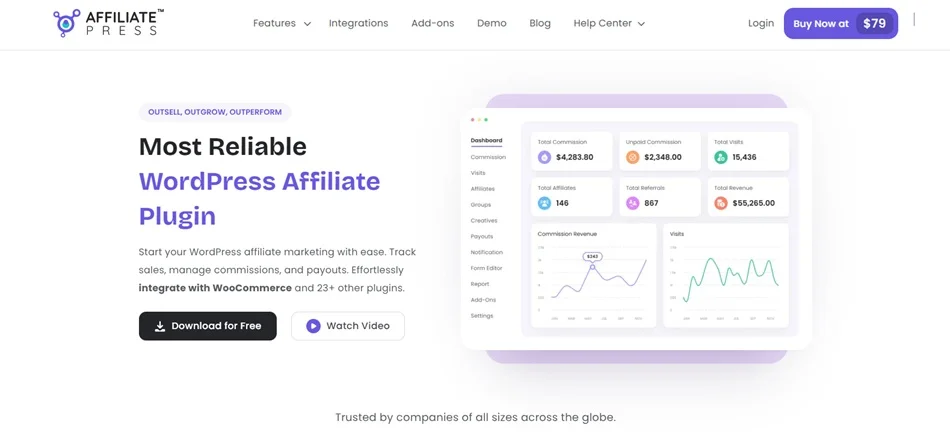
Everything starts with the right affiliate management system. The most reliable way to set up a pay per lead affiliate program is with AffiliatePress. It’s the best WordPress affiliate plugin around here, and it can let you create your own pay per lead affiliate program with zero coding.
What makes it stand out is, it’s super easy to set up and integrate with many popular form builders for better affiliate lead generation. You can connect it with ARForms, WPForms, Ninja Forms or Gravity Forms in just one click.
The best part? It comes with smart fraud detection to prevent any kind of affiliate fraud activities automatically. You can connect it with your lead forms, track submissions as referrals and automate payouts with no manual work.
2. Define What Counts as a Lead
This is the most important step. If your definition of a successful “lead” is vague, your results will be poor.
Be specific about what qualifies as a lead:
- Valid email and phone number.
- Correct location or target audience.
- Specific action. (demo request, trial signup, etc.)
You can also add filters like:
- Duplicate lead prevention.
- Minimum data requirements.
- Approval before commission.
Clear rules protect you from low quality submissions and keep your affiliates aligned with your goals.
3. Set Your Commission Structure

If you’re using AffiliatePress as your affiliate management system, no need to worry about anything.
AffiliatePress is one of the few affiliate management plugins that lets you create multiple smart commission structures. With this affiliate system installed in your WordPress, you can create custom tiered-based commission model, pay-per-lead commission model, Multi-level affiliate commission model, and many more.
Next, decide how much you’ll pay per lead. This factor will depend completely on:
- Your product value
- Your conversion rate
- Your customer lifetime value
Common approaches:
- Flat fee per lead (e.g., $10–$50+)
- Tiered commissions (higher payouts for better performance)
The key is balance. Too low, and affiliates won’t promote you. Too high, and your margins suffer if leads don’t convert.
4. Create a Simple Lead Capture System

Your sales funnel needs to be friction free. If it’s complicated, you’ll lose leads, even if affiliates send the right traffic. Focus on:
- A clean landing page.
- A short and simple online form.
- Clear value proposition.
- Strong call-to-action.
Every extra form field or step lowers conversions. However, at the same time, make sure you collect enough information to qualify the lead properly. The key is to maintain a proper structure.
5. Bring in Affiliates

Once your affiliate management system is ready, start recruiting affiliates. Look for:
- Bloggers and niche site owners.
- YouTubers and content creators.
- Email marketers.
- Paid traffic specialists.
Give them what they need to succeed:
- Ready-to-go creatives.
- Clear messaging.
- Landing pages that convert.
- Transparent commission structure.
The good news? You can give your affiliates all these, and even more using AffiliatePress. It gives your affiliates a powerful affiliate panel to track their performance, earning and keep all brand creatives in one place.
Best of all, AffiliatePress lets you give your affiliates endless creatives such as text links, banners and more. Plus, you can also give them unique QR codes, coupon codes, affiliate landing pages and so on.
The easier you make it for affiliates to promote you, the faster your program grows.
How Much Should You Pay Per Lead? (Quick Reality Check)

Setting your cost per lead (CPL is all about protecting your margins while still attracting affiliates.
- Pay too little, and no one promotes you.
- Pay too much, and your numbers stop making sense.
The key is simple: your CPL should always fit within your profit per customer.
The Core Rule: Never Pay More Than You Can Afford to Convert
Everything comes down to this:
- How much revenue does one customer generate?
- What percentage of leads turn into customers?
From there, you can easily calculate what a lead is actually worth.
For example, if one customer brings in $1,000. And 10% of leads convert. That means:
- 10 leads → 1 customer
- Your maximum cost per acquisition (CPA) = $100
So, your CPL should ideally stay around $20–$30 to still be profitable
If you’re paying $50 per lead in this case, your margins disappear into thin air.
Average CPL Benchmarks (2026)
CPL varies widely depending on your industry and how valuable each customer is. Here’s a realistic breakdown:
- E-commerce & Local Services: $5 – $15
- SaaS / Software: $20 – $50
- Finance, Legal or Real Estate: $50 – $300+
- Insurance: $10 – $55 depending on type
On average, businesses see around $150–$200 per lead. However, again, this number only makes sense when tied to your conversion rate and lifetime value.
What Actually Affects Your CPL
Not all leads are equal, and pricing shows that. Here’s what drives your costs up or down:
- Lead quality.
- Basic email signup (low intent): cheaper.
- Demo booking or verified contact: more expensive.
- Targeting difficulty.
- Broad audience = lower CPL.
- Niche or high level decision makers = higher CPL.
- Traffic source competition.
- Search ads (high intent) = higher CPL.
- Social traffic = lower CPL but mixed quality.
In simple words, pay per lead programs work when your numbers are clear.
If you understand your conversion rates and customer value, CPL becomes predictable. If you don’t, it quickly turns into guesswork, and that’s where most businesses lose money.
Final Thoughts: Is Pay Per Lead Worth It?
Building pay per lead affiliate programs is a smart strategy when implemented the right way.
If your business relies on nurturing, follow ups, and closing deals over time, this PPL affiliate marketing gives you a steady flow of opportunities to work with. But it only works if you control the system.
You need:
- Clear lead qualification rules.
- Great follow up processes.
- Proper tracking system like AffiliatePress.
Without these, you’re just paying for volume, not results. When done right with AffiliatePress, a pay per lead affiliate program helps you with better lead generation, support your sales team and build a more predictable pipeline.
Keep it structured, keep it monitored, and it can become one of the most reliable growth channels for your business.
FAQs
Pay-per-lead affiliate program is a performance marketing model whether businesses pay affiliates for getting successful quality leads.
Cost per lead affiliate program, also sometimes known as pay per lead (PPL) affiliate program, is a performance-based marketing model where businesses pay affiliates a commission for driving qualified leads.
You make money with a pay per lead affiliate program by promoting an offer and getting people to complete a specific action such as signing up for a free trial or filling out a form. Affiliates earn a fixed commission for each qualified lead. And business earns a new quality lead.
PPL stands for Pay per lead in marketing. It is a performance-based pricing model wherein business pays a fixed commission only when a qualified lead is generated such as form submission, registration or phone call, rather than paying for clicks or direct sales.
Finished this? Dive into more content here.