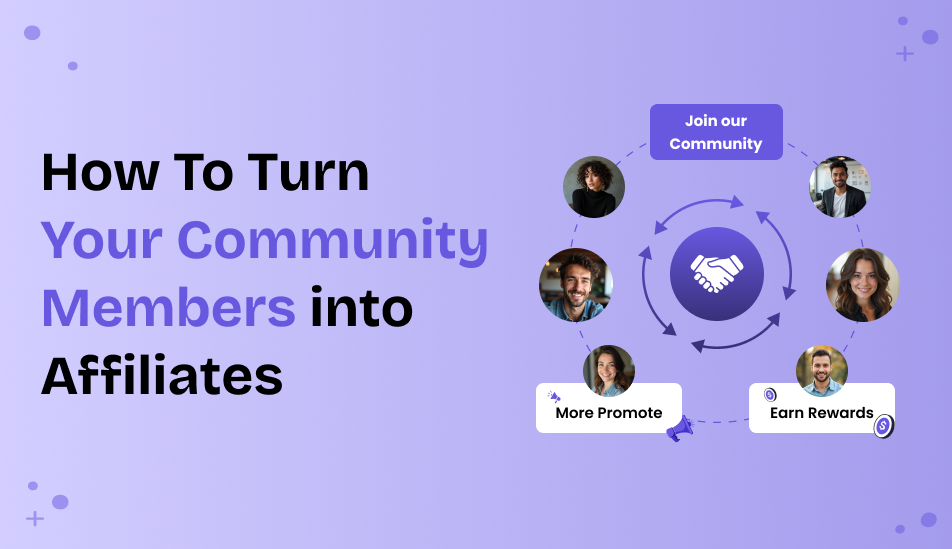
How To Turn Your Community Members Into Affiliates

If your community is growing but not generating referrals, that’s a hidden gap you missed.
It’s not that community members don’t care. Industry data shows up to 83% of satisfied customers and members are willing to give referral, yet only 29% actually go.
The reason is simple. There is no clear path from “I like this” to “I can share this and earn from it.”
Without that path, even your most engaged members stay silent promoters. They might talk about your product/service occasionally or recommend it informally, but they never move into consistent referral or affiliate behavior (Even though they have full potential).
This guide explains how to fix that using a structured Trigger → Action → Reward system and a practical execution flow that actually works in real communities to create a successful community affiliate program.
TL;DR: A successful community affiliate program turns existing trust into affiliate referrals. Turn your most engaged community members into affiliate partners by giving them a simple path to share, earn and track results. The key is activating existing advocacy via the Trigger → Action → Reward framework instead of constantly recruiting new affiliates.
What “Turning Community Members Into Affiliates” Actually Means

A community is a group of members gathered around a central idea or interest. If you also own a community of members who are loyal and engaged users, turning them into your affiliate partners is the most smart (and profitable) decision for bringing in new customers.
In simple words, turning community members into affiliates means converting existing trust, usage and positive experience into a structured referral system where sharing becomes simple, trackable, and rewarding.
Yet still most affiliate managers misinterprets as pushing members to sell your product. It
In most communities, members already sit somewhere between interest and advocacy. They may like your product, use it regularly or even recommend it in conversations. But without a clear system, that natural intent never turns into action.
A community affiliate program simply bridges this gap. It gives members a clear path to move from appreciation (“I like this”) to participation (“I can share this and earn from it”).
This is where concepts like affiliate marketing community, referral program, and brand ambassador program overlap. They all rely on the same core idea: turning passive supporters into active partners through structure, timing, and feedback.
At its core, it is not a marketing push. It is a behavior-to-system conversion:
“Members already act like promoters” → “you recognize it” → “you activate it” → “you reinforce it” → “and it grows inside the community affiliate program”.
This is exactly where the Trigger → Action → Reward system becomes important as it explains how members ‘ conversion into affiliates actually happens inside real communities.
The Real System Behind Community-To-Affiliate Conversion

Community-to-affiliate conversion is not a marketing trick. It is a behavior system that turns existing engagement into a structured affiliate system.
Most communities already have the raw ingredients:
- Members who trust the product.
- Users who get value from it.
- people who occasionally recommend it.
But without a proper affiliate system, this behavior stays invisible and inconsistent.
That’s why the Trigger → Action → Reward Loop matters. It is about how interest becomes action, and how action becomes repeatable behavior from a member’s point of view.
Phase 1. Trigger (Why Would I Even Consider This?)
This is the moment where a member feels ready to engage. It usually happens when:
- They get a positive result or outcome
- They successfully solve a problem using your product
- They express satisfaction or recommend it informally
- They reach a meaningful usage milestone
At this stage, they are not thinking about “affiliate programs.” They are simply thinking: “Wow! This actually works.”
The trigger is not persuasion but the recognition of readiness.
Phase 2. Action (What EXACTLY Do I Do In 10 seconds?)
This is where most systems fail. Even if intent among members exists, conversion breaks if the action is unclear or heavy.
The goal here is simple – Lower everything to a single and immediate action.
In practice, here’s what it looks like:
- One-click affiliate activation.
- Instant referral link generation.
- No forms, no setup thinking.
- Clear “share now” options built into the interface.
If it takes more than a few seconds, the intent disappears (along with motivation).
This phase is about removing friction completely from members after a signup journey.
Phase 3. First Reward Loop (Why Should I Care Again?)
This is where behavior becomes repeatable. A member needs immediate feedback that:
- Their action worked.
- Something is happening because of their share.
- Progress is being tracked.
This can include:
- Sign up bonus
- First click notifications
- First signup or conversion alerts
- Visible dashboard activity
Without this loop, participation stays accidental. But with this, it becomes intentional.
The reward loop is what transforms a one time action into ongoing affiliate behavior.
Now let’s map this model into real execution steps
How Community Members Actually Become Affiliates In Practice

Now that the system is clear, the next question is how does this actually work inside a real community?
It doesn’t happen through a single “signup moment.” It happens via a sequence of small well timed interactions that move members from interest → action → repeat behavior affiliate partners.
Thus here’s how that flow works in practice:
Step 1: Spot The Members Who Are Already Acting Like Promoters

Not every member is a potential affiliate, but every member has potential to be.
But for quickly turning members to marketers, start by turning your heaviest members into your loudest megaphones. You first have to identify people who already show early signs of advocacy:
- They talk positively about your product.
- They answer questions or help others.
- They share feedback or results.
- They return frequently or stay highly engaged.
These members are already behaving like promoters – they just aren’t formalized yet.
Step 2: Catch The Moment When Interest Is Naturally High

Timing and context are everything. You just have to learn how to strike at the right time. And the right time and best moments to activate are when a member:
- Just got a successful result.
- Solved a real problem using your product.
- Expressed satisfaction or excitement.
- Completed a meaningful action inside the product or community.
When motivation is high, members no longer need to be sold on the why. They only need a clear direction on how to proceed.
Step 3: Present The Affiliate Option As A Continuation, Not An Invitation

This is where most affiliate program owners and affiliate managers go wrong. They try to force an (affiliate) relationship that hasn’t been earned yet.
Those who fail are the ones who treat affiliate marketing as a transactional endpoint rather than an organic loop. Thus when you ask a member to turn into an affiliate, keep the experience and conversion natural, fluid and frictionless. There’s absolutely no need to pitch it like a formal affiliate marketing tutorial with heavy jargon.
In simple words. instead of asking:
“Join our affiliate program”
You simply extend what they are already doing:
“Want to share this and earn from it?”
“No strings attached—just a simple link if you feel like passing it on.”
“Here’s your referral link if you want to recommend it”
“Know someone who needs this? Pass it along and split the upside.”
“Saw your comment about us – might as well get paid for it next time with this link.”
“You’re already doing the talking. Use this link so you can start doing the earning.”
“If you ever find yourself recommending us in a thread, wrap it in this link to get a cut.”
It feels like a natural next step, not a separate commitment. This way, you aren’t asking them to become a marketer; you are simply giving them a way to be rewarded for organic word of mouth.
Step 4: Make Joining Instant And Frictionless (This Is Where Most Fail)
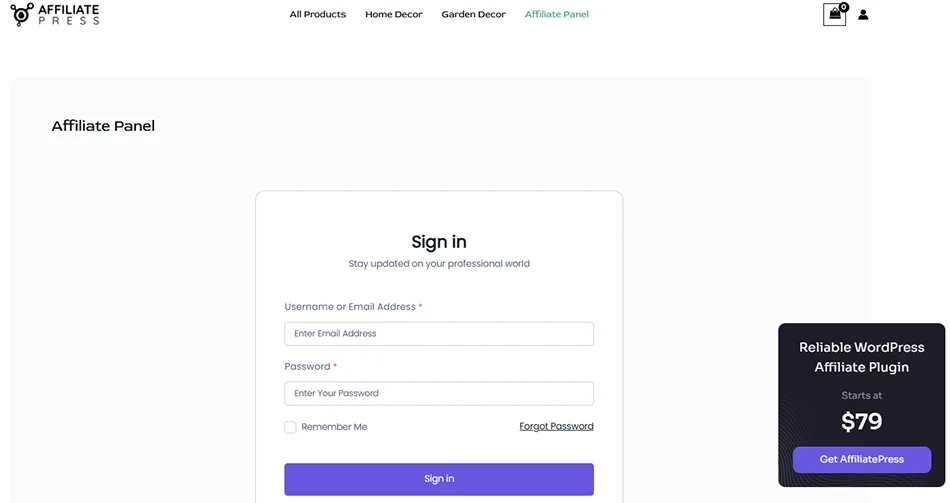
Even strong interest dies if the process is heavy. So the affiliate onboarding activation process must be smooth, and not take more than 10 minutes at max.
What most (beginner-level or growing) affiliate programs do is take days to verify an affiliate. Let’s say a community member is finally ready to sign up as an affiliate. However if after signup he/she has to wait for hours or days, they’ll simply forget you.
You can’t expect their motivation level to stay the same after 24 hours, do you?
Thus you must make sure to give them instant access right after the signup.
- One click to enable affiliate access
- Instant referral link generation
- No forms, no setup flow, no waiting
The goal is simple: action in seconds, not minutes.
Worth noting if you are using AffiliatePress as your ultimate WordPress affiliate plugin, you can configure it to automatically approve affiliates. And to make sure you don’t miss important information, you can design a custom affiliate sign up form using a simple in-built drag and drop form builder.
Step 5: Let Them Get Their First Result Fast
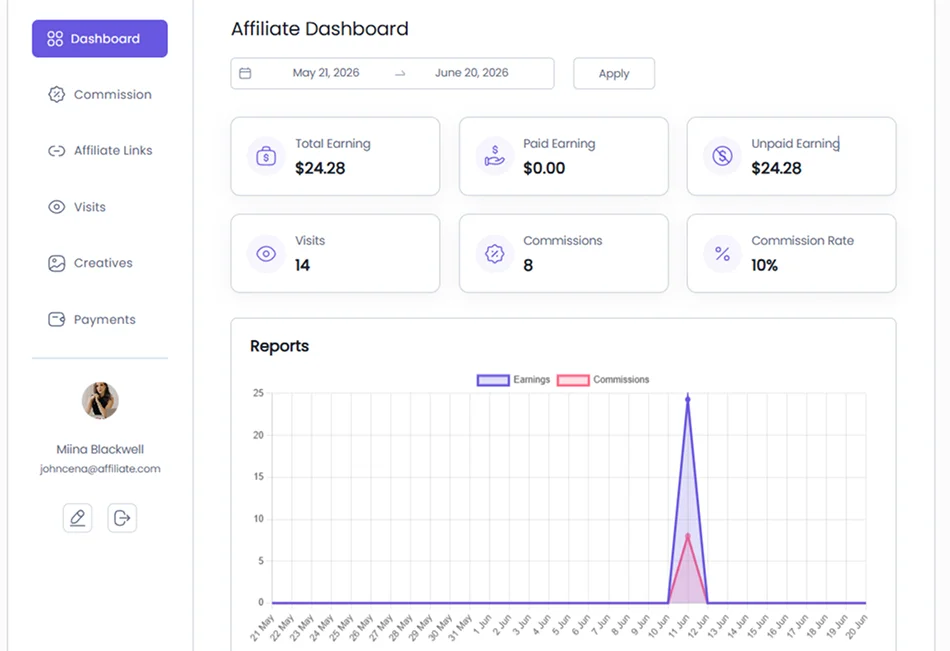
The first result sets the future behavior.
As soon as they share, they should quickly see:
- Clicks on their link.
- Signups or actions from referrals.
- Confirmation that something is happening.
This instant feedback builds trust in the system.
Without it, most members stop after the first attempt. For making this first result fast, AffiliatePress lets you give your affiliates their own desiccated affiliate panel. From there, they can easily see any new visit in real time, commissions, creatives and links.
Step 6: Reinforce Behavior After The First Success

Once the first result happens, the focus shifts to reinforcement. And this can include:
- Milestone notifications. (first referral, first conversion)
- Small rewards or recognition.
- Progress visibility inside a dashboard.
- Simple encouragement to share again.
This is where one-time activity turns into repeat behavior.
Step 7: Expand Participation Gradually Inside The Community
After a few members start participating, your affiliate program will begin to scale naturally. You amplify it by:
- Highlighting active affiliates in the community.
- Showing real results and success stories.
- Normalizing referral activity as part of participation.
- Making affiliate behavior visible, not hidden.
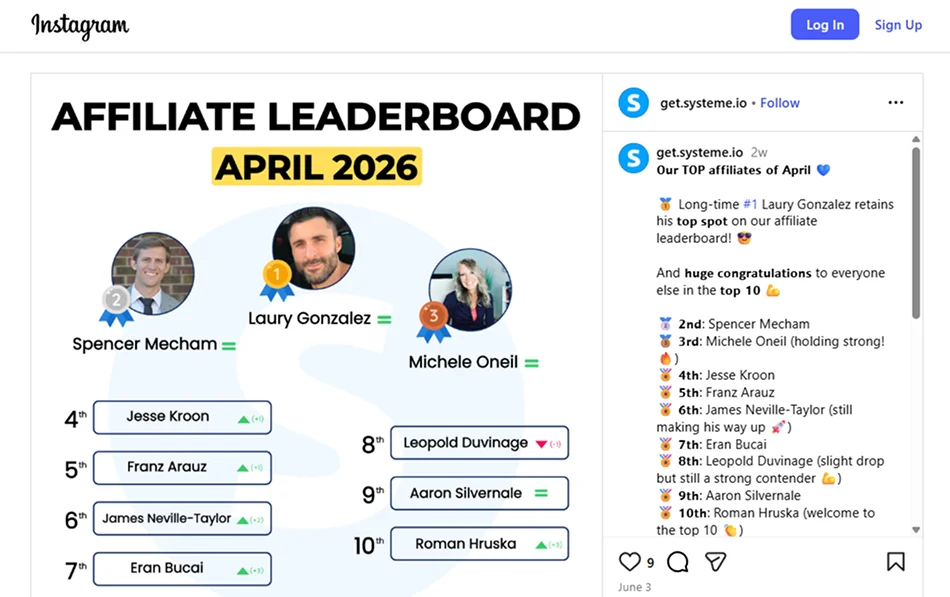
Over time, sharing becomes part of the community culture, not a separate program. To keep the motivation, you can use to share an affiliate leaderboard to inspire your top affiliates.
The AffiliatePress Leaderboard addon is a gamification tool for WordPress that automatically sows real time ranking of your top affiliates. To stir a little sense of friendly competition among the community members and affiliates, public recognition is the best way.
What’s more is you don’t have to do anything manually. AffiliatePress does the hard part automatically for you. You can toggle between weekly, monthly or yearly leaderboards to create recurring affiliate challenges. Plus, also show nicknames instead of full names to protect affiliates’ privacy.
Connecting The Full Community-To-Affiliate System
The reality is that most communities already contain future affiliates. The challenge is not finding people who care but to give them a simple path to act on that interest.
When members experience value, reach a milestone, solve a problem or recommend your product naturally, they enter the perfect activation window. And that’s exactly where a well designed community affiliate program steps in.
By combining the right trigger, a frictionless action and a rewarding feedback loop using systems like AffiliatePress, you turn occasional recommendations into consistent affiliate behavior.
One important lesson many affiliate managers learn too late is this: don’t focus on recruiting more affiliates before activating the members you already have.
In many scenarios, your next top affiliate is already inside your community waiting for the right opportunity to participate.
Related Articles: